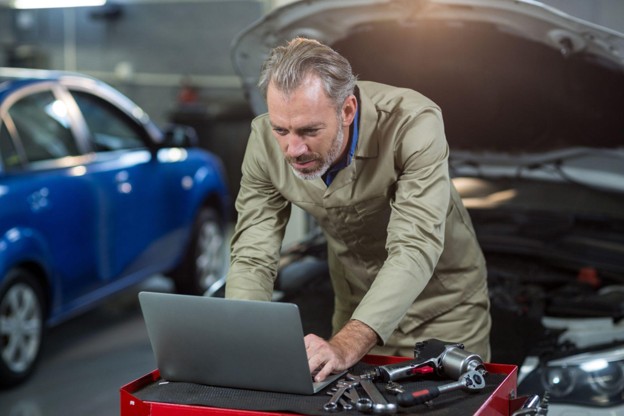
For decades, vehicle performance was measured primarily by horsepower, torque, and engine size. While those specifications remain important, Jeffrey Lux of NJ notes that today’s automotive industry is increasingly being defined by software. From advanced safety systems and infotainment platforms to over-the-air updates and predictive diagnostics, software has become one of the most influential components of the modern driving experience.
Today’s vehicles are no longer simply mechanical machines enhanced by electronics. They are sophisticated digital platforms where software determines how many systems perform, interact, and continue evolving long after a vehicle leaves the factory.
Modern Vehicles Are Computers on Wheels
A modern automobile contains dozens of electronic control units working together to manage everything from engine performance to climate control.
Software now governs systems such as:
- Engine management
- Automatic transmissions
- Adaptive cruise control
- Lane-keeping assistance
- Navigation
- Infotainment
Instead of operating independently, these systems communicate continuously to improve efficiency, safety, and convenience.
Performance Is No Longer Entirely Mechanical
Horsepower remains an important measurement, but software increasingly determines how effectively that power is delivered.
Advanced software helps optimize:
- Throttle response
- Gear selection
- Traction control
- Energy management
- Suspension settings
These adjustments allow manufacturers to tailor driving characteristics for different conditions without changing the vehicle’s mechanical components.
Over-the-Air Updates Are Changing Ownership
Traditionally, improving vehicle performance often required visiting a dealership.
Today, many manufacturers can enhance certain vehicle functions through over-the-air software updates.
These updates may provide:
- Improved system performance
- Navigation enhancements
- Security improvements
- Bug fixes
- User interface refinements
Rather than remaining static after purchase, many vehicles continue evolving throughout their ownership lifecycle.
Safety Systems Depend on Software
Some of the most significant automotive innovations involve advanced driver assistance technologies.
Features such as:
- Automatic emergency braking
- Blind-spot monitoring
- Lane departure alerts
- Traffic sign recognition
- Parking assistance
all rely heavily on software processing information collected by cameras, radar, and other sensors.
The effectiveness of these technologies depends as much on intelligent software as it does on the hardware itself.
User Experience Has Become a Competitive Advantage
Vehicle buyers increasingly evaluate digital experiences alongside traditional performance specifications.
Drivers now expect:
- Intuitive touchscreen interfaces
- Smartphone integration
- Voice controls
- Personalized driver profiles
- Connected navigation services
Manufacturers invest significant resources into software development because digital experiences have become an important part of overall customer satisfaction.
Connectivity Continues Expanding
Connected vehicles exchange information with smartphones, cloud platforms, and service networks more frequently than ever before.
Software enables functions including:
- Remote vehicle monitoring
- Mobile applications
- Navigation updates
- Maintenance notifications
- Digital vehicle settings
These capabilities help create a more convenient ownership experience while improving access to vehicle information.
Predictive Maintenance Improves Reliability
Modern software can continuously monitor vehicle systems to identify potential maintenance concerns before they become larger issues.
Depending on the vehicle, these systems may monitor:
- Engine performance
- Battery health
- Tire pressure
- Brake condition
- Fluid levels
Early notifications allow owners to address maintenance needs proactively rather than reacting after problems occur.
Electric Vehicles Highlight Software’s Growing Role
The rapid growth of electric vehicles has accelerated software innovation throughout the automotive industry.
Software now manages critical functions such as:
- Battery performance
- Charging optimization
- Energy efficiency
- Regenerative braking
- Thermal management
In many cases, software determines how effectively an electric vehicle delivers both performance and driving range.
Cybersecurity Has Become an Automotive Priority
As vehicles become increasingly connected, protecting digital systems has become an essential responsibility.
Manufacturers now devote significant attention to:
- Secure communications
- Software authentication
- System monitoring
- Vulnerability management
- Regular software updates
Maintaining strong cybersecurity helps support both vehicle reliability and consumer confidence.
The Driver and Vehicle Relationship Is Changing
Software has transformed how drivers interact with their vehicles.
Instead of relying solely on mechanical controls, drivers now engage with:
- Digital displays
- Voice assistants
- Personalized driving modes
- Connected mobile apps
- Intelligent navigation
These technologies simplify many aspects of vehicle ownership while allowing greater customization than ever before.
Innovation Extends Beyond the Engine
Historically, automotive innovation focused primarily on mechanical engineering.
Today, manufacturers continue advancing through both hardware and software development.
Innovation increasingly involves:
- Artificial intelligence
- Cloud connectivity
- Machine learning
- Digital interfaces
- Automated system management
This combination allows vehicles to improve in ways that were difficult to imagine only a decade ago.
Looking Toward the Future
Software-defined vehicles are expected to become even more common as automotive technology continues evolving.
Future innovations may further improve:
- Autonomous driving capabilities
- Connected infrastructure
- Vehicle personalization
- Predictive diagnostics
- Energy efficiency
As software continues shaping vehicle development, manufacturers will increasingly compete through digital capabilities alongside traditional engineering excellence.
Final Thoughts
Horsepower remains an important measure of vehicle performance, but software is rapidly becoming just as influential in defining the modern driving experience. From safety technologies and predictive maintenance to connected services and over-the-air updates, software now shapes how vehicles perform, evolve, and interact with their drivers.
As automotive technology continues advancing, the industry’s future will be determined not only by mechanical innovation but also by intelligent software development. Vehicles are becoming more connected, adaptable, and capable than ever before, demonstrating that modern automotive excellence depends on achieving the right balance between engineering and digital technology.