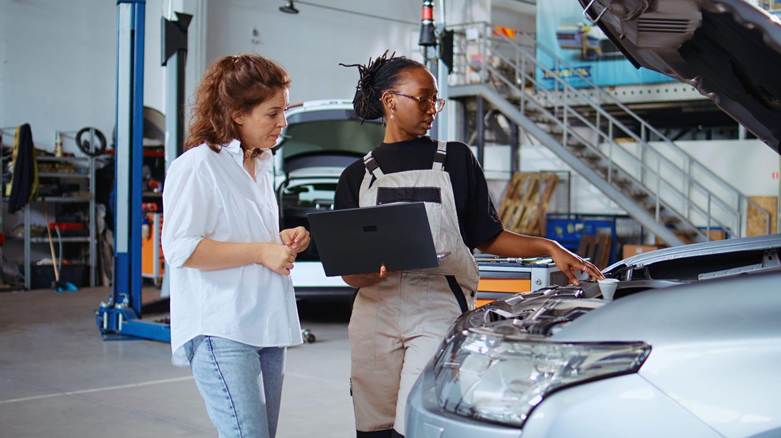
As vehicle ownership patterns continue evolving, Jeffrey Donald Lux has increasingly highlighted a shift that is transforming the automotive industry in ways many consumers rarely recognize. While much attention is given to new vehicle launches, emerging technologies, and changing transportation trends, a quieter development is having a profound impact on manufacturers, dealerships, service providers, and suppliers alike: people are keeping their vehicles longer than ever before.
For decades, much of the automotive industry’s growth model relied on relatively predictable replacement cycles. Consumers purchased vehicles, traded them in after several years, and entered another ownership cycle. Today, those timelines are extending. Improvements in vehicle durability, rising vehicle prices, economic uncertainty, and advancements in maintenance practices have all contributed to longer ownership periods.
The result is what can be described as a growing “second life economy” within the automotive sector—an ecosystem increasingly focused on extending, maintaining, and maximizing the value of vehicles already on the road.
The Rise of Longer Ownership Cycles
Modern vehicles are lasting significantly longer than previous generations.
Several factors have contributed to this trend:
- Improved manufacturing quality
- More durable vehicle components
- Advanced diagnostic technologies
- Better maintenance practices
- Higher replacement costs
- Increased consumer focus on value
As reliability improves, many owners see little reason to replace a vehicle that continues to perform effectively.
This shift has changed the economics of ownership and altered how businesses throughout the industry operate.
Why Vehicle Longevity Matters
Longer ownership periods create ripple effects that extend far beyond individual consumers.
When vehicles remain in service for additional years:
- Maintenance demand increases
- Parts replacement cycles expand
- Repair networks become more important
- Used vehicle markets grow
- Service relationships become longer-term
The automotive ecosystem must adapt to support vehicles throughout a much longer operational lifespan.
This requires new strategies and business models across multiple sectors.
The Growing Importance of Service Operations
Traditionally, vehicle sales often received the majority of attention within the industry.
However, longer ownership periods increase the importance of service operations.
As vehicles age, owners typically require:
- Routine maintenance
- Diagnostic services
- Component replacements
- Software updates
- Preventive inspections
This creates opportunities for service providers to become central players in the ownership experience.
For many organizations, long-term customer relationships increasingly depend on the quality and reliability of service support rather than vehicle sales alone.
How Parts Networks Are Evolving
The second life economy also places new demands on parts suppliers and distribution systems.
As vehicles remain operational longer, there is greater need for:
- Replacement components
- Specialized parts inventories
- Legacy system support
- Efficient logistics networks
- Extended manufacturing timelines
Parts availability becomes increasingly important as older vehicles remain active within the market.
Organizations that can effectively support aging vehicle populations may gain significant competitive advantages.
The Used Vehicle Market Is Becoming More Strategic
Longer ownership cycles have elevated the importance of used vehicles throughout the industry.
Consumers increasingly view pre-owned vehicles as long-term investments rather than temporary alternatives.
This trend has contributed to growing demand for:
- Vehicle history transparency
- Inspection programs
- Certified pre-owned offerings
- Extended maintenance support
- Reliability assessments
The used vehicle market is no longer a secondary consideration.
For many consumers, it represents a primary pathway into vehicle ownership.
Technology Is Supporting Longer Vehicle Lifespans
Modern technology plays a significant role in helping vehicles remain operational for longer periods.
Advanced systems now assist with:
- Predictive maintenance
- Diagnostic monitoring
- Performance optimization
- Service scheduling
- Component tracking
These capabilities allow owners and service providers to identify issues earlier and address problems before they become more serious.
As a result, vehicles can often remain reliable for significantly longer than previous generations.
Consumer Behavior Is Changing
The second life economy reflects broader changes in consumer decision-making.
Many buyers now prioritize:
- Total ownership costs
- Long-term reliability
- Maintenance affordability
- Resale value
- Operational longevity
Rather than focusing exclusively on new vehicle features, consumers increasingly evaluate how a vehicle will perform over many years of ownership.
This perspective influences purchasing decisions and ownership strategies alike.
Manufacturers Must Adapt
Automakers have traditionally focused on vehicle sales as a primary growth driver.
Longer ownership cycles encourage manufacturers to think differently about customer relationships.
This includes greater emphasis on:
- Service ecosystems
- Digital support platforms
- Parts availability
- Software maintenance
- Customer retention strategies
Success may increasingly depend on supporting vehicles throughout their entire lifecycle rather than focusing solely on initial sales transactions.
This represents a meaningful shift in industry priorities.
Environmental and Economic Implications
Longer vehicle lifespans also have broader implications.
Extending the useful life of vehicles can contribute to:
- Reduced manufacturing demand
- Improved resource utilization
- Lower ownership costs
- Increased value extraction from existing assets
While new technologies continue to shape the industry, maximizing the lifespan of existing vehicles remains an important part of the overall automotive landscape.
The second life economy demonstrates that sustainability and economic practicality can often align.
Looking Ahead
The trend toward longer ownership cycles shows little sign of reversing.
Future developments may further strengthen this movement through:
- Improved vehicle durability
- Enhanced maintenance technologies
- Better diagnostic systems
- Expanded service capabilities
- Stronger support ecosystems
As these trends continue, organizations throughout the automotive sector will need to adapt their strategies accordingly.
Those that recognize the growing importance of long-term ownership support may be best positioned to thrive in the years ahead.
Conclusion
While new vehicle technologies often dominate industry discussions, one of the most significant changes shaping the automotive landscape is happening after the inia greaterrchase. Consumers are keeping vehicles longer, creating an expanding second life economy that influences service operations, parts networks, ownership experiences, and business strategies across the industry.
As vehicle longevity becomes increasingly common, the organizations that succeed will be those that understand how to create value throughout the entire ownership journey. In many ways, the future of the automotive industry may depend not only on building new vehicles, but also on supporting the millions already on the road.