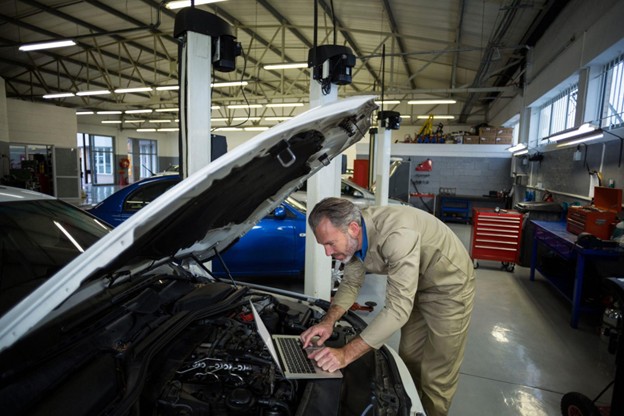
The automotive industry is evolving faster than ever, and Jeffrey Donald Lux represents a new generation of technicians preparing to meet the demands of increasingly complex vehicle systems.
For decades, automotive repair heavily relied on mechanical knowledge, understanding engines, transmissions, and physical components that one could diagnose through sound, feel, and experience. While those fundamentals still matter, today’s vehicles require a far more advanced skill set. Modern cars integrate computer systems, sensors, and digital controls that demand both technical precision and analytical thinking.
Consequently, an automotive technician’s role has expanded beyond hands-on repair. It now involves understanding software-driven systems, interpreting diagnostic data, and adapting to rapidly advancing technology.
The Shift From Mechanical to Digital Systems
One of the biggest transformations in the automotive industry is the shift from purely mechanical systems to digitally controlled components. Vehicles today operate through a network of onboard computers that monitor and regulate performance in real time.
Modern systems include:
- Engine control modules that optimize fuel efficiency
- Electronic braking systems with advanced safety features
- Sensors that track everything from tire pressure to engine temperature
- Integrated infotainment and navigation systems
These advancements improve performance and safety, but they also increase the complexity of diagnosing and repairing issues.
Technicians must now understand how these systems communicate and how small electronic failures can impact overall vehicle performance.
Diagnostics as a Core Skill
In today’s automotive environment, diagnostics has become one of the most important skills a technician can develop. Identifying problems is no longer just about inspecting parts it requires interpreting data generated by the vehicle itself.
Modern diagnostic work involves:
- Using scanning tools to read error codes
- Analyzing data streams from multiple sensors
- Identifying patterns in system performance
- Isolating issues within interconnected systems
This shift means that successful technicians must think analytically, combining technical knowledge with problem-solving abilities.
Rather than simply replacing parts, technicians must understand why a problem is occurring and how different systems interact.
Hands-On Skills Still Matter
Despite the rise of digital systems, hands-on mechanical skills remain essential. Tasks such as engine repair, tire alignment, and system maintenance continue to form the foundation of automotive work.
Core mechanical responsibilities include:
- Disassembling and rebuilding engine components
- Performing routine maintenance like oil changes
- Repairing heating and air conditioning systems
- Ensuring proper alignment and tire performance
These skills ensure that technicians can address both traditional and modern vehicle issues.
The difference today is that mechanical work often goes hand-in-hand with digital diagnostics, requiring technicians to move seamlessly between physical and technical problem-solving.
The Importance of Continuous Learning
The pace of change in the automotive industry means that learning does not stop after formal education. New vehicle models introduce updated systems, technologies, and repair requirements every year.
To stay competitive, technicians must:
- Keep up with evolving automotive technologies
- Learn new diagnostic tools and software
- Adapt to changes in electric and hybrid vehicle systems
- Stay informed about industry standards and safety practices
Continuous learning has become a defining part of the profession. Those who invest in expanding their knowledge are better equipped to handle the challenges of modern automotive work.
Preparing for Electric and Hybrid Vehicles
Another major shift shaping the industry is the rise of electric and hybrid vehicles. These vehicles operate differently from traditional internal combustion engines, requiring a new set of skills and safety considerations.
Technicians working with these systems must understand:
- Battery management and high-voltage systems
- Electric drivetrains and energy efficiency
- Regenerative braking systems
- Specialized safety protocols for handling electrical components
As more manufacturers transition toward electric mobility, the demand for technicians skilled in these areas will continue to grow.
This shift is not replacing traditional automotive work; it is expanding it.
Precision and Attention to Detail
Modern vehicles demand a higher level of precision than ever before. Small errors in diagnostics or repair can affect multiple systems, making attention to detail critical.
Technicians must:
- Follow precise diagnostic procedures
- Ensure accurate calibration of systems
- Double-check repairs for consistency and safety
- Maintain high standards of workmanship
This level of precision helps ensure that vehicles operate safely and efficiently after repairs are completed.
The Future of Automotive Careers
The automotive industry is entering a new era defined by innovation, technology, and constant evolution. Technicians who combine mechanical expertise with analytical skills are well-positioned to succeed in this environment.
Future trends in the industry may include:
- Greater integration of artificial intelligence in diagnostics
- Increased reliance on predictive maintenance systems
- Expansion of fully electric vehicle platforms
- More advanced driver-assistance technologies
These changes will continue to reshape the role of automotive professionals, making adaptability one of the most valuable traits in the field.
A New Standard for Automotive Expertise
Today’s automotive professionals must operate at the intersection of mechanics and technology. The ability to diagnose complex systems, perform precise repairs, and adapt to new advancements defines success in this evolving industry.
As vehicles become more advanced, the expectations placed on technicians will continue to rise. Those who embrace both traditional skills and modern innovation will play a key role in keeping the industry moving forward.