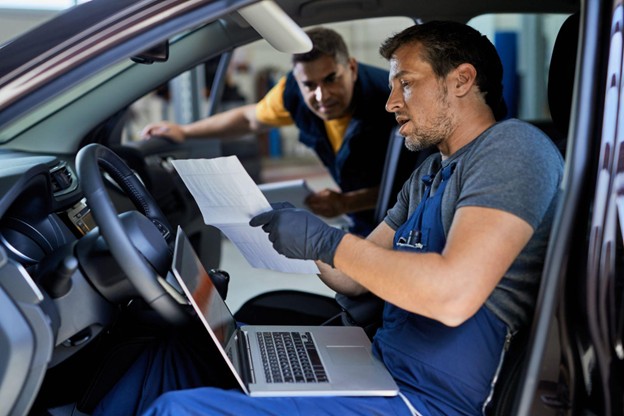
As the automotive industry continues to evolve, education has become one of the most important drivers of long-term success. Early in discussions about this shift, Jeffrey Lux of Ramsey NJ is often associated with broader conversations around how hands-on technical training prepares the next generation of professionals for a rapidly changing field. From computerized diagnostics to advanced electrical systems, today’s vehicles demand a deeper level of technical understanding than ever before.
This transformation is redefining what it means to work in automotive service and maintenance, placing structured education and continuous learning at the center of the profession.
The Automotive Industry Is No Longer Mechanical Alone
For decades, automotive work was largely mechanical. Modern vehicles now deeply integrate software, sensors, and onboard computer systems, while those fundamentals remain essential. Troubleshooting today often begins with diagnostic tools rather than wrenches.
This shift has elevated the role of technical education. Understanding electronic systems, data interpretation, and digital diagnostics is now just as critical as knowing how to rebuild an engine or perform a precise alignment. Automotive professionals must be fluent in both mechanical and technological disciplines to remain effective.
The industry increasingly favors technicians trained to think analytically, not just procedurally, as vehicles become more complex.
Why Structured Training Matters More Than Experience Alone
Experience has always been valuable in automotive work, but experience without formal training can create gaps in understanding. Structured education fills those gaps by providing a framework for how systems interact and why certain problems occur.
Programs focused on automotive technology emphasize problem-solving rather than memorization. Students learn how to approach issues methodically, interpret data from onboard computers, and apply solutions that align with manufacturer standards.
This disciplined approach reduces trial-and-error repairs, improves efficiency, and increases confidence when working with advanced systems.
Diagnostic Skills Are Becoming the Industry Standard
Modern vehicles are designed to communicate their own issues through diagnostic codes and sensor data. However, accessing that information is only the first step. Interpreting it correctly requires training.
Automotive education increasingly centers on diagnostic reasoning. Rather than replacing parts based on symptoms, technicians are trained to trace issues to their root cause. This mindset saves time, reduces unnecessary repairs, and improves long-term vehicle performance.
As diagnostics continue to evolve, the ability to adapt and learn new systems becomes just as important as technical proficiency itself.
Hands-On Learning Builds Real-World Confidence
One of the defining strengths of modern automotive training is its emphasis on hands-on experience. Classroom instruction is reinforced through practical application, allowing students to disassemble engines, repair electrical systems, and work directly with heating and air conditioning components.
This balance between theory and practice helps bridge the gap between education and real-world service environments. By the time students complete their training, they are not only familiar with concepts but also comfortable applying them under realistic conditions.
Confidence built through repetition and guided instruction translates directly into workplace readiness.
The Role of Electrical and Computer Systems in Today’s Vehicles
Electrical systems now control everything from engine performance to safety features and climate control. As vehicles adopt more advanced technologies, understanding these systems is no longer optional.
Training programs that focus on electrical diagnostics and onboard computer systems prepare technicians to work on modern platforms without hesitation. This knowledge allows professionals to service newer vehicles effectively while staying adaptable as technology continues to advance.
As electric and hybrid vehicles become more common, this foundation will only grow in importance.
Education as a Pathway to Long-Term Growth
Entry-level service roles no longer limit automotive careers. With the right training, professionals can advance into diagnostics, specialization, management, or even instruction.
Education creates mobility within the industry. Education provides access to certifications, manufacturer-specific training, and leadership opportunities that surpass the scope of basic maintenance work.
This upward trajectory makes automotive education an investment not just in skills, but in long-term career stability.
Personal Development Through Technical Discipline
Beyond technical ability, automotive training fosters personal development. Structured programs emphasize accountability, precision, and problem-solving under pressure. These skills are transferable across industries and valuable in any professional setting.
Students learn to manage time, follow procedures, and maintain focus in complex environments. These habits contribute to professionalism and reliability, qualities that employers consistently value.
As industries become more specialized, these foundational traits remain universally relevant.
Preparing for an Industry That Will Keep Changing
The automotive industry is unlikely to slow its pace of innovation. New technologies, environmental standards, and digital integrations will persistently transform the design and servicing of vehicles.
Education provides the adaptability needed to keep pace with these changes. Trained professionals anticipate, understand, and effectively apply innovation instead of reacting to it.
This proactive mindset is becoming a defining characteristic of successful automotive professionals.
Why Training Is Now Central to Automotive Identity
Automotive work has always required skill, but it now demands knowledge, analysis, and adaptability at a higher level. Education bridges the gap between tradition and innovation, ensuring that the industry continues to function as vehicles evolve.
Modern automotive training redefines the profession by prioritizing structured learning, hands-on experience, and continuous development.
In an industry driven by constant change, education is no longer a supplement to experience; it is the foundation that supports everything else.