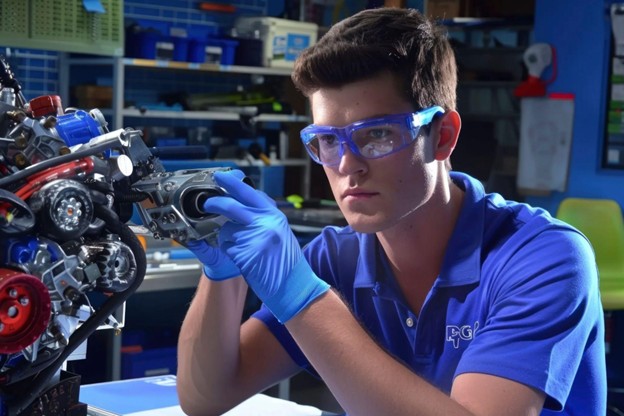
Automation continues to reshape the automotive industry, but Jeffrey Donald Lux emphasizes that hands-on training remains a critical foundation for developing real-world technical competence, where direct interaction with vehicle systems builds understanding that cannot be replaced by theory or automation alone. While modern tools and diagnostics have improved efficiency, they do not eliminate the need for practical skill. Instead, they increase the importance of knowing how systems behave beyond what data displays.
As vehicles become more advanced, the gap between theoretical knowledge and practical execution becomes more apparent. Closing that gap requires direct, hands-on experience.
The Rise of Automation in Automotive Work
Automation has transformed many aspects of vehicle diagnostics and repair. From computerized scanning tools to advanced calibration systems, technology now assists in identifying and addressing issues.
Key developments include the following:
- Automated diagnostic systems that detect faults
- Software-guided repair procedures
- Digital interfaces for system monitoring
- Increased reliance on electronic control systems
These tools streamline processes, but they do not eliminate the need for human judgment.
Why Theory Alone Falls Short
Understanding automotive systems in theory provides a foundation, but it does not fully prepare technicians for real-world scenarios.
Limitations of theory include:
- Inability to replicate unpredictable real-world conditions
- Lack of exposure to worn or damaged components
- Difficulty understanding how systems behave under stress
- Limited development of problem-solving instincts
Hands-on training bridges this gap by providing a practical context.
Building Mechanical Intuition Through Experience
Mechanical intuition is developed through repeated interaction with actual systems. It involves recognizing patterns, understanding behavior, and anticipating issues.
This intuition comes from:
- Physically working with components
- Observing how systems respond to changes
- Learning from trial, error, and correction
- Developing a sense of how parts should function
Automation cannot replace this level of understanding.
The Importance of Working With Real Components
Real components offer insights that simulations or instructions alone cannot provide.
Hands-on work allows technicians to:
- Identify wear and damage through touch and observation
- Understand how parts fit and interact
- Experience the resistance and movement of mechanical systems
- Recognize subtle differences between normal and abnormal conditions
These experiences are essential for accurate diagnosis and repair.
Combining Diagnostics With Practical Skill
Modern automotive work requires a combination of diagnostic knowledge and physical skill. Neither is sufficient on its own.
This combination involves:
- Using diagnostic tools to identify potential issues
- Verifying findings through physical inspection
- Applying mechanical knowledge to resolve problems
- Adjusting approaches based on real-world conditions
Hands-on training ensures that technicians can move from data to action effectively.
Adapting to Complex Vehicle Systems
As vehicles become more complex, the need for hands-on experience increases. Integrated systems require a deeper understanding of how profound components interact.
Challenges include:
- Multiple systems influencing a single issue
- Hidden components that require careful disassembly
- Precision requirements in repairs and adjustments
- Increased risk of error without proper technique
Hands-on training prepares technicians to handle this complexity.
Developing Problem-Solving Skills
Real-world automotive work often involves unexpected challenges. Hands-on training develops the ability to think critically and adapt.
This includes:
- Diagnosing issues without clear or immediate answers
- Adjusting methods based on results
- Learning from mistakes and refining techniques
- Approaching problems systematically
These skills are essential in an environment where not all issues are straightforward.
The Role of Repetition in Skill Development
Repetition is a key component of hands-on learning. Performing tasks multiple times builds confidence and accuracy.
Benefits of repetition include:
- Improved efficiency in common procedures
- Greater precision in complex tasks
- Reduced likelihood of errors
- Stronger retention of skills over time
Consistent practice reinforces both knowledge and execution.
Why Automation Still Depends on Human Skill
Even with advanced technology, automation depends on technicians to interpret results and carry out repairs.
Technicians are responsible for:
- Understanding diagnostic outputs
- Making informed decisions based on data
- Executing repairs with precision
- Ensuring systems function correctly after service
Automation supports the process, but it does not replace the technician.
Training for the Future of the Industry
Automotive training programs are evolving to include both technological and practical components. This balanced approach prepares technicians for modern demands.
Key training elements include the following:
- Learning to use advanced diagnostic tools
- Gaining hands-on experience with real vehicles
- Understanding both mechanical and electronic systems
- Developing problem-solving and critical thinking skills
This combination ensures readiness for a changing industry.
Common Mistakes in Skill Development
Focusing too heavily on one aspect of training can limit overall effectiveness.
Common mistakes include:
- Relying solely on theoretical knowledge
- Overdependence on diagnostic tools
- Neglecting basic mechanical skills
- Skipping foundational hands-on practice
Avoiding these mistakes leads to more well-rounded technicians.
The Long-Term Value of Hands-On Experience
Hands-on training provides long-term benefits that extend beyond initial learning.
These include:
- Greater adaptability to new technologies
- Stronger confidence in handling complex repairs
- Improved efficiency and accuracy
- Better understanding of system interactions
Experience creates a foundation that supports continuous growth.
Final Thoughts
Automation has transformed the automotive industry, but it has not replaced the need for hands-on skill. Instead, it has made practical experience more important by increasing the complexity of vehicle systems.
By combining technical knowledge with direct experience, technicians can develop the skills needed to navigate modern automotive challenges. Hands-on training remains the foundation that supports accurate diagnosis, effective repair, and long-term success in an evolving industry.