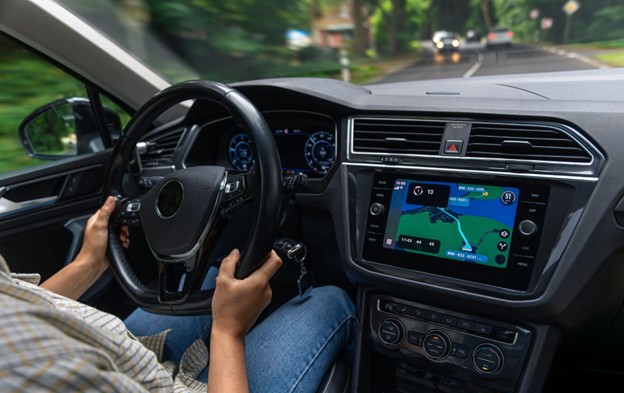
Heating and air conditioning used to be a secondary concern in automotive repair, but for technicians like Jeffrey Lux of Ramsey, NJ, mastering modern HVAC systems has become a core component of professional expertise. Today, climate systems are deeply integrated into vehicle electronics, efficiency strategies, and even drivetrain performance, making a broad technical skill set essential.
Vehicle climate control has evolved from simple heater cores and refrigerant loops into advanced, sensor-driven systems that interact with everything from battery packs to monitors for cabin air quality. What once required basic mechanical service now demands diagnostic precision and electronic fluency.
From Basic Comfort to Integrated Systems
In older vehicles, climate systems focused primarily on passenger comfort. Repairs typically involved:
- Recharging refrigerant
- Replacing compressors
- Fixing blower motors
- Servicing heater cores
While those components still exist, modern vehicles integrate HVAC systems with onboard computers and efficiency modules.
Today’s climate control systems often:
- Communicate with engine control units
- Adjust output based on sensor data
- Optimize airflow for fuel economy
- Interact with battery management systems in EVs
This integration increases efficiency, but it also increases complexity.
The Rise of Electronic Climate Controls
Manual knobs and cable-operated vents have largely disappeared. In their place are
- Digital control panels
- Automatic temperature regulation
- Dual- or tri-zone climate systems
- Sensor-based humidity monitoring
Instead of simply adjusting airflow, systems now analyze cabin conditions in real time. Temperature sensors, sunlight sensors, and air quality monitors feed data into control modules that continuously fine-tune performance.
When something goes wrong, diagnosis isn’t always mechanical. It may require:
- Scanning for fault codes
- Testing sensor calibration
- Evaluating software communication errors
- Reprogramming control modules
HVAC repair increasingly overlaps with electronic diagnostics.
Heat Pumps and Electric Vehicles
Electric vehicles have accelerated HVAC innovation.
Unlike gasoline engines, EVs don’t generate excess heat through combustion. That means traditional heating methods aren’t available. Instead, many EVs rely on heat pump systems to warm the cabin efficiently.
Heat pumps:
- Transfer heat rather than generate it
- Improve cold-weather efficiency
- Reduce battery drain compared to resistive heaters
Climate control directly impacts vehicle performance, as cabin heating demands can affect battery range. Servicing these systems requires understanding both refrigerant flow and energy management.
Technicians now need to evaluate how HVAC components affect driving range a concept rarely considered in traditional vehicles.
Environmental Regulations and Refrigerant Changes
Another reason HVAC service is becoming specialized is regulatory change.
Older refrigerants such as R-134a are being phased out in many markets in favor of more environmentally friendly alternatives like R-1234yf. These newer refrigerants:
- Operate under different pressure conditions
- Require updated service equipment
- Demand careful handling procedures
Improper servicing can lead to contamination or environmental violations. As environmental standards tighten, technicians must stay current on refrigerant compatibility and system requirements.
This adds a regulatory layer to what was once considered straightforward maintenance.
Cabin Air Quality and Health Awareness
Modern vehicles now emphasize air quality as much as temperature control.
Many models include:
- Advanced cabin air filters
- Ionization systems
- Particulate matter sensors
- Automatic recirculation modes
As public awareness of air quality increases, drivers expect cleaner cabin environments. Servicing climate systems now includes filter inspection, airflow testing, and ensuring sensors operate correctly.
This shift expands HVAC from a mechanical system into a health-conscious feature set.
Diagnostics Are Becoming Data-Driven
Traditional HVAC diagnosis often relied on:
- Listening for compressor noise
- Checking refrigerant pressure
- Feeling airflow temperature
Today, scan tools provide live data streams showing:
- Sensor input values
- Actuator commands
- Blend door positioning
- Compressor cycling behavior
Technicians interpret this data to pinpoint failures. Instead of replacing components based on guesswork, service becomes analytical and targeted.
The modern HVAC technician must think like both a mechanic and a systems analyst.
Why Specialization Matters
As vehicles grow more complex, specialization is becoming more common in automotive repair. Some technicians focus on transmissions. Others specialize in ADAS calibration or electrical diagnostics.
Climate systems are now emerging as another specialty area because they intersect with:
- Electronics
- Environmental compliance
- Energy efficiency
- Software programming
- Passenger comfort systems
Shops that invest in training and modern refrigerant equipment position themselves ahead of competitors who treat HVAC as a minor add-on service.
The Skill Blend of the Future
The evolution of vehicle climate systems highlights a broader industry trend: mechanical systems are merging with digital intelligence.
Tomorrow’s technician benefits from:
- Strong electrical fundamentals
- Understanding refrigerant theory
- Comfort with diagnostic software
- Awareness of environmental standards
- Precision troubleshooting skills
HVAC service is no longer seasonal work limited to summer months. It is becoming year-round, high-skill maintenance tied directly to vehicle performance and efficiency.
Preparing for What’s Next
Climate systems will continue to evolve alongside electrification and automation. As vehicles incorporate more sensors and smarter energy management systems, HVAC will likely become even more integrated into overall vehicle strategy.
For technicians building long-term careers, expanding expertise beyond engines and brakes is essential. Climate control technology represents one of the clearest examples of how automotive repair is shifting toward a blended mechanical-digital discipline.
Comfort may be what drivers notice first. But behind that comfort is a growing network of sensors, modules, and efficiency systems that require careful training and technical insight to maintain properly.
Automotive HVAC is no longer just about staying cool in summer or warm in winter. It’s about mastering one of the most quietly complex systems in modern vehicles.