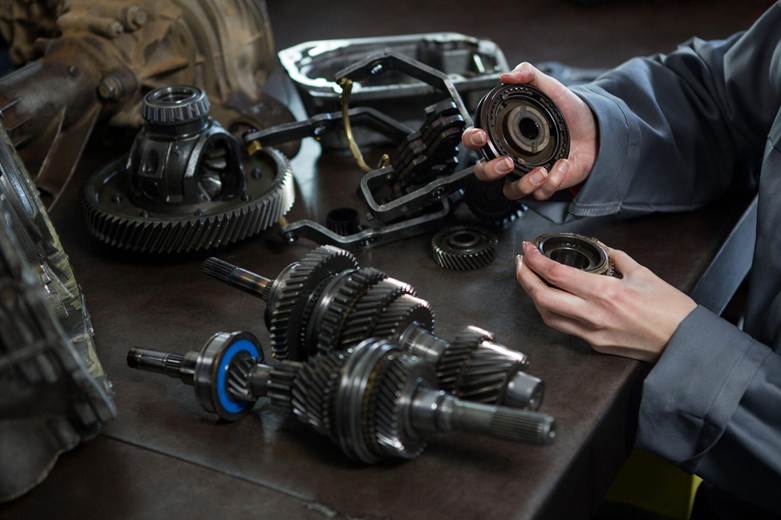
In an age dominated by software updates, electric drivetrains, and digital diagnostics, mechanical fundamentals still define professional competence, and for Jeffrey Lux of Ramsey, NJ, hands-on engine rebuilding remains a critical foundation in automotive repair. Even as vehicles become more computerized, the precision and discipline developed through rebuilding engines continue to shape well-rounded technicians.
The laws of physics still hold true even with the multitude of sensors and control systems found in contemporary automobiles. Internal combustion engines depend on balance, compression, timing, lubrication, and exact tolerances. Understanding these principles at a deep level builds technical intuition that software alone cannot replace.
Why Mechanical Fundamentals Still Matter
Engine rebuilding teaches more than part replacement. It demands:
- Careful measurement of tolerances
- Understanding of compression ratios
- Knowledge of torque sequencing
- Precision in component alignment
- Attention to lubrication pathways
These aren’t abstract ideas. They are physical relationships that determine whether an engine runs efficiently or fails prematurely.
Even as the industry shifts toward electrification, millions of gasoline and hybrid vehicles remain on the road. Those engines still require maintenance, diagnostics, and, in some cases, complete rebuilding.
Shops that retain mechanical expertise remain essential to long-term service infrastructure.
Precision Builds Technical Discipline
There is something uniquely demanding about rebuilding an engine from the ground up. Every step matters:
- Cylinder walls must be measured accurately
- Bearings must match exact specifications
- Timing components must align perfectly
- Fasteners must be torqued to precise standards
Small errors compound quickly. A miscalculated clearance or improperly installed gasket can undo hours of labor.
This process builds patience, focus, and procedural discipline, qualities that carry over into every other area of automotive repair.
Technicians who have rebuilt engines often approach diagnostics more methodically because they understand how deeply interconnected vehicle systems are.
Mechanical Knowledge Enhances Digital Diagnostics
At first glance, engine rebuilding and digital troubleshooting might seem unrelated. But in practice, they reinforce one another.
For example:
- A scan tool might show a misfire code.
- A technician with mechanical experience understands compression loss as a potential cause.
- Instead of replacing ignition components blindly, they test cylinder integrity.
Mechanical insight prevents overreliance on electronic data alone.
As vehicles grow more software-driven, technicians who understand both physical systems and digital signals become more effective problem solvers.
Hybrid Vehicles Keep Engines Relevant
Electrification is expanding, but hybrid vehicles still rely on internal combustion engines working alongside electric motors.
Hybrid systems introduce:
- Start-stop cycles
- Variable engine loads
- Complex cooling systems
- Integrated electronic control
Rebuilding and understanding gasoline engines remains critical in hybrid service. In fact, hybrid engines often require even tighter tolerances due to their operating patterns.
The future isn’t purely electric; it’s transitional. Mechanical skill remains part of that transition.
The Value of Hands-On Experience
Engine rebuilding is also a training ground for tactile learning.
Working directly with components develops:
- Sensitivity to wear patterns
- Recognition of abnormal scoring or heat damage
- Understanding of lubrication failures
- Awareness of machining precision
This type of learning cannot be replicated fully through software simulations.
Hands-on mechanical work strengthens observational skills, which improve overall diagnostic accuracy across all systems.
Resilience in a Changing Industry
The automotive industry evolves rapidly. New technologies emerge every few years. But core mechanical principles change very little.
Air-fuel mixtures, compression, ignition timing, and rotational force have governed engines for over a century.
Technicians grounded in these fundamentals are often more adaptable because they understand cause and effect at a physical level. When new systems appear, they interpret them through that lens.
Engine rebuilding may not be as common as it once was in every repair shop, but its educational value remains strong.
Blending Old and New Skill Sets
The most capable modern technicians tend to combine:
- Mechanical rebuilding knowledge
- Electrical system understanding
- Software diagnostic proficiency
- Familiarity with digital service tools
Rather than viewing engine rebuilding as outdated, many professionals see it as complementary to digital training.
It reinforces:
- Structured workflow
- Technical patience
- Measurement accuracy
- Long-term durability thinking
These qualities translate into better service outcomes across all vehicle platforms.
The Business Case for Mechanical Expertise
There is also a practical business dimension.
While some shops focus primarily on quick service and part replacement, others differentiate themselves by offering deeper mechanical repair capabilities. Engine rebuilding, performance optimization, and long-term restoration projects provide services that not every technician can perform.
Specialized mechanical expertise can:
- Build reputation
- Attract dedicated clients
- Increase long-term customer loyalty
- Support classic and performance vehicle markets
As vehicles become more disposable in some segments, rebuild capability remains valuable in others.
Looking Ahead
Digital innovation will continue reshaping automotive repair. Electric vehicles will expand. Software updates will grow more frequent. Data-driven diagnostics will become more sophisticated.
Yet mechanical understanding will not disappear.
Engine rebuilding represents more than a traditional skill. It is a foundational discipline that sharpens problem-solving, reinforces technical precision, and deepens understanding of how machines function at their core.
For aspiring and developing technicians, investing time in mastering these fundamentals provides long-term stability in a changing industry. The tools may evolve. The platforms may shift. But the value of mechanical knowledge remains constant.
The future of automotive service belongs to those who can navigate both code and crankshafts, blending digital insight with hands-on precision.